
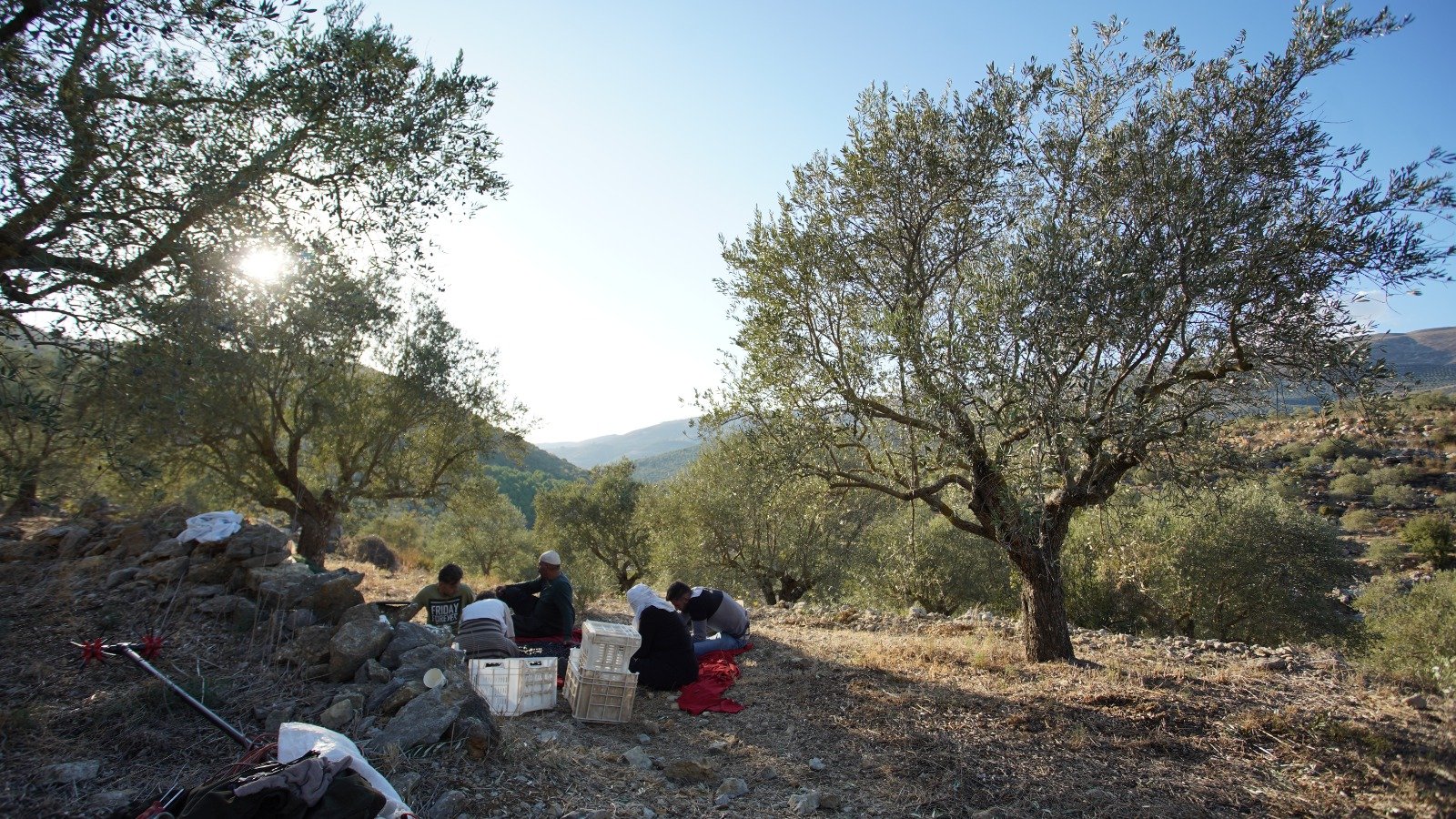
Why Hasbaya Olive Oil Is Some of the Purest in the World
The story behind Hasbaya Olive Oil’s ancient trees, limestone soil, and mountain-grown flavor.
If you’re searching for truly authentic extra virgin olive oil, you need to go beyond the label. Real olive oil starts with the tree — not just any tree, but one grown in the right soil, climate, and tradition. And in Lebanon, there is no region more respected for this than Hasbaya.
Located in the southern mountains of Lebanon, Hasbaya is known for producing some of the finest olive oil in the country. Its unique combination of limestone-rich soil, high elevation, and centuries-old olive trees makes it an exceptional terroir for growing olives with depth, intensity, and purity.
At MERI, we exclusively source our olives from this rare region. Our groves are planted with native Baladi olive trees, many of which are over 1000 years old. These trees have adapted to Hasbaya’s challenging terrain — where water is scarce, winters are sharp, and the land is rich in minerals but poor in softness.
That’s where the magic happens.
The limestone-heavy soil forces olive trees to dig deep, absorbing minerals and storing energy in each small, oil-rich fruit. The result is a high-antioxidant, low-acidity extra virgin olive oil with a bold, peppery finish and intense aroma — exactly what health-conscious and flavor-focused consumers are looking for.
Why This Matters for Olive Oil Quality
• Older trees produce more stable, flavorful oil.
• Limestone soil naturally filters water and adds complexity to the oil.
• Baladi olives offer stronger resistance to disease and produce a more complex oil profile.
• High-altitude farming slows ripening, increasing the concentration of polyphenols and flavor compounds.
As you continue reading this blog, you’ll discover how we take care of these groves — from pruning and irrigation to harvest and cold pressing — using a blend of ancient Lebanese techniques and modern best practices. This is not just olive oil. This is Hasbaya olive oil, and it’s what sets Mary Olive Oil apart.
Cultivation and Tree Care in Hasbaya
How Ancient Methods and Mountain Soil Produce Premium Lebanese Olive Oil
Making exceptional extra virgin olive oil starts with how the olive trees are grown and maintained. In Hasbaya, a mountain district in southern Lebanon, the trees are not just cultivated. They are cared for using methods passed down through generations, rooted in the realities of the land.
Limestone Soil: The Hidden Power Behind Hasbaya’s Olive Oil
Hasbaya is rich in limestone, and that is one of the biggest reasons why olive oil from this region is so unique. Limestone soil provides excellent drainage, forcing olive trees to develop deep roots in search of water. This stress leads to fruit that is lower in water content and richer in oil.
Limestone is also high in calcium and minerals that subtly influence the flavor and antioxidant profile of the oil. It is poor in organic matter, which means olive trees grow more slowly and produce smaller, more concentrated fruit. This is one of the natural secrets behind the bold, clean taste of Hasbaya olive oil.
The Baladi Olive Tree: Native, Resilient, and Powerful
In Hasbaya, the dominant tree variety is the Baladi olive. This native Lebanese cultivar has adapted to the altitude, the rocky soil, and the dry climate. It does not need artificial irrigation, chemical inputs, or special treatments.
Baladi olives are small but packed with oil. They produce an extra virgin olive oil that is peppery, green, and high in polyphenols. Many of these trees are over 80 years old, and some have survived for more than a century. Their age contributes to the consistency and complexity of the oil.
Trenching Around the Tree: A Traditional Technique Still Used Today
One of the most distinctive practices in Hasbaya is the digging of a circular trench around each olive tree. Farmers do this just under the canopy, following the reach of the last branch. The trench captures rainwater and directs moisture toward the most active roots.
This practice also improves soil aeration and helps prevent erosion, especially on the region’s steep, terraced hillsides. It is simple but incredibly effective, especially in a climate where water is scarce.
Covering the Trunk to Protect the Tree
In early spring or before winter, farmers in Hasbaya often cover the lower part of the olive tree’s trunk with loose soil or straw. This traditional method helps protect the roots from frost, temperature shocks, and insects that live in the top layers of the soil.
Though it may seem like an old practice, it is supported by modern agricultural science and plays a real role in tree health, especially in high-altitude groves where the temperature can shift quickly.
Cultivation Without Chemicals
Olive farming in Hasbaya is naturally sustainable. Most farmers rely on compost, animal manure, and the natural decomposition of trimmed branches. There is very little use of synthetic fertilizers, and chemical pesticides are almost never used.
Trees are pruned by hand, the soil is left mostly undisturbed, and the rhythm of care follows the seasons. This method of cultivation is not only better for the land, it also results in a cleaner, more honest olive oil.
Irrigation in Hasbaya
How Water Is Really Used to Grow Exceptional Olives in the South Lebanese Mountains
Growing olives in Hasbaya is not effortless. This region is known for its dry summers, rocky hillsides, and steep elevation, which all play a role in how and when olive trees are watered.
While some may romanticize the idea of purely rain-fed olive groves, the truth is more complex. In Hasbaya, a balance exists between tradition and practical irrigation, especially during critical summer months.
The Climate Reality in Hasbaya
Hasbaya has a Mediterranean mountain climate, with cold winters, mild springs, and long, dry summers. Rainfall is concentrated between November and March, and by mid-summer, the soil often dries out completely — especially on exposed slopes.
Although mature olive trees are drought-resistant, extended dry periods without rainfall can stress the tree and affect both the size and oil quality of the fruit.
Controlled Irrigation: When and Why It’s Used
In many parts of Hasbaya, especially low-lying valleys or west-facing groves, farmers will choose to irrigate once or twice between July and early September.
This is not high-frequency watering. It is targeted, seasonal support, used to help the tree maintain fruit quality during heat waves or when the soil becomes too dry to sustain healthy fruit development.
Most irrigation is done using:
• Gravity-fed water from mountain springs
• Small drip irrigation systems
• Traditional open channels or stored rainwater tanks
The goal is never to flood the tree or encourage fast growth. It’s to preserve balance — enough moisture to protect the olives, but not enough to dilute the flavor or reduce oil concentration.
Not All Groves Are Irrigated Equally
• Older, deep-rooted trees on cooler north-facing slopes may not need irrigation at all.
• Younger trees or those planted in shallow soil are more likely to need occasional support.
• Farmers observe their trees carefully to decide when watering is truly necessary.
Tradition Meets Practical Experience
While Hasbaya’s farmers rely heavily on natural rainfall and the strength of their trees, they are also deeply experienced in how to respond to changing climate patterns.
Some still use hand-dug channels or earth basins around the trees to collect and direct water efficiently. Others have adapted with simple drip systems connected to spring-fed tanks, offering control without overuse.
At MERI, we respect this balance. We support responsible water use, never wasteful, never artificial. Just enough to ensure the tree thrives and the oil remains rich and true to the land.
Pruning and Trimming Practices in Hasbaya
Why the Shape of the Tree Shapes the Quality of the Oil
In Hasbaya, olive trees are not over-managed. They are guided.
Pruning is one of the most critical steps in producing high-quality extra virgin olive oil. It directly impacts the health of the tree, the consistency of the harvest, and the concentration of oil in the fruit. At MERI Olive Oil, we follow traditional Lebanese pruning methods, fine-tuned for the region’s altitude, dry climate, and native Baladi olive variety.
When Pruning Happens in Hasbaya
Pruning in Hasbaya is usually done once a year, during late winter or early spring, between February and April depending on altitude and weather conditions.
Farmers choose this period because the tree is still in its dormant phase, just before the sap begins to rise and new shoots appear. Pruning too late can reduce flowering, while pruning too early increases the risk of frost damage.
The Purpose of Pruning
Olive trees in Hasbaya are not pruned to force productivity. They are pruned to maintain balance. The goal is to:
• Allow sunlight to penetrate the center of the tree
• Improve air circulation to reduce disease risk
• Remove weak, dead, or crossing branches
• Manage height for easier harvest
• Direct the tree’s energy into producing fewer but higher-quality olives
This approach is what gives MERI Olive Oil its concentrated flavor and high polyphenol content.
The Traditional “Vase” Shape
Most trees in Hasbaya are pruned into a modified vase or open-center shape, where three to four main branches grow outward and upward, leaving the center of the tree open. This shape is ideal for:
• Maximizing sun exposure at high altitudes
• Reducing shade that can lead to fungus or poor fruit ripening
• Making the harvest easier and more efficient
This technique is ancient but effective, and it’s still used by the majority of Hasbaya’s olive growers today.
Tools and Techniques Used
Pruning is still done by hand across most of Hasbaya, using:
• Hand saws
• Long-handle loppers
• Small electric shears in more modern groves
Larger, older trees are often pruned with the help of a second person guiding the shape from below. The cut branches are either used for firewood or chipped into mulch to return nutrients to the soil.
Recovery After Pruning
After trimming, trees are given time to recover before flowering begins. Farmers do not fertilize heavily after pruning. Instead, they allow the tree to regain energy naturally, in alignment with the climate and the slow-growing nature of the Baladi variety.
There is no rush in Hasbaya. Just rhythm.
Pest and Disease Management in Hasbaya
How MERI Olive Oil Protects Trees Without Harmful Chemicals
No olive grove is immune to nature. Even in the highlands of Hasbaya, where the cold winters slow many pests, olive trees still face threats from insects, fungi, and seasonal diseases. But how farmers respond makes all the difference.
At MERI Olive Oil, our partner growers follow minimal-intervention, non-chemical methods to protect tree health while preserving the purity of the fruit. The approach is based on observation, timing, and targeted action, using techniques that have worked for generations — now supported by modern science.
Common Olive Tree Threats in Hasbaya
The most frequent issues affecting Hasbaya olive trees include:
Olive Fruit Fly (Bactrocera oleae)
This is the most damaging pest across the Mediterranean. It lays eggs in the olive fruit, and the larvae feed on the pulp, reducing oil yield and quality. In Hasbaya, the fruit fly appears mainly between late July and October, depending on temperature and elevation.
Peacock Spot (Spilocaea oleagina)
This fungal disease causes dark circular spots on leaves, weakening the tree and affecting next year’s harvest. It becomes active in cooler, humid months.
Black Scale and Aphids
These insects are less common in Hasbaya due to the dry climate but can still appear in moist pockets or shaded groves.
Natural Pest Control Methods Used in Hasbaya
- Glass Bottle Traps
One of the most common and effective traditional techniques in Hasbaya is the use of hanging glass or plastic bottle traps, filled with a mix of:
• Vinegar
• Water
• Small pieces of ripe fruit or sugar
• A few drops of dish soap to break surface tension
These traps attract and drown adult fruit flies before they lay eggs. They are simple, low-cost, and non-toxic. - Early Season Sprays Using Natural Ingredients
Some farmers apply homemade solutions in early spring or before flowering to create a protective barrier against insects and fungal spores. These sprays may include:
• Diluted lime and sulfur mixtures
• Neem oil (when available)
• Crushed garlic or herbal infusions used as natural repellents
All are safe for the tree and the environment, and none of them interfere with the oil’s chemical purity. - Pruning for Air Circulation
As explained in “Pruning and Trimming Practices in Hasbaya“, proper pruning helps reduce fungal growth by improving sunlight penetration and airflow. A well-pruned tree is far less likely to develop diseases like Peacock Spot or mold on the trunk. - Soil Cleanliness and Mulch Management
After harvest and pruning, farmers in Hasbaya often clean up fallen fruit, twigs, and leaves, which can harbor insects or disease. Some use natural mulch, but it is always monitored to avoid creating excess moisture at the base of the trunk.
Why Chemical Sprays Are Not Used
Most Hasbaya olive farmers — including those partnered with MERI Olive Oil — do not use synthetic pesticides or commercial fungicides. The reasons are clear:
• The altitude and dry air already lower pest pressure
• The trees are genetically strong, especially the Baladi variety
• Most growers aim for organic or low-intervention certification
• Chemicals compromise soil health, biodiversity, and oil purity
Instead, they rely on prevention, monitoring, and timely manual interventions, creating a cleaner farming environment that protects the tree without compromising the oil.
Harvesting Practices in Hasbaya
At MERI Olive Oil, Precision Harvesting Protects the Tree and the Oil
Harvesting olives is more than a job — it’s a ritual. In Hasbaya, where the trees are often over 80 years old and grow on steep, rocky terraces, every olive is taken with intention. At MERI Olive Oil, we use a method that combines respect for tradition with smart, low-impact tools, ensuring the quality of both the fruit and the tree is preserved.
When the Harvest Begins
Harvest in Hasbaya starts between early and mid-November, depending on elevation and annual weather conditions. The cool mountain air slows ripening, giving the fruit more time to develop a rich oil profile. We harvest when the olives are at the ideal stage — turning from green to purple — to balance flavor, nutritional content, and oil yield.
How We Harvest: By Hand and With Care
At MERI Olive Oil, we use two carefully chosen harvesting methods:
- Hand-Picking
In many groves, especially with older or more fragile trees, olives are still picked entirely by hand. This allows for total control, minimal bruising, and a deep respect for the shape and rhythm of each tree. - Handheld Motorized Olive Pickers
We also use Italian and Greek low-impact electric harvesters. These are lightweight, handheld tools with flexible plastic fingers that gently vibrate the branches, helping the olives fall into collection nets.
They are:
• Safe for the tree when used properly
• Designed for precision, not speed
• Far less invasive than mechanical shakers or metal combs
We do not use metal rakes, industrial machines, or any method that strips the tree or damages the branches. Our tools allow us to work efficiently, without compromising the integrity of the olives or the health of the tree.
Clean Harvest, Clean Oil
After picking, the olives are:
• Collected in shallow, ventilated crates
• Kept shaded during transport
• Delivered to the mill within a few hours
There is no overnight storage and no delay. Olives are pressed the same day they are picked. This prevents fermentation and protects the oil’s chemical and sensory quality — resulting in low acidity, high polyphenols, and a fresh, clean flavor.
Why This Matters
The way we harvest directly affects the oil inside the bottle. Our method protects:
• The fruit from bruising
• The trees from damage
• The oil from early oxidation
• The reputation of MERI Olive Oil as a producer of authentic, high-integrity extra virgin oil
Harvesting is not rushed. It’s planned, personal, and done with care.
Pressing and Extraction in Hasbaya
Measured Precision That Protects Quality
In olive oil production, pressing is where quality is either preserved or destroyed. Scientific studies and international olive oil standards agree on one thing: time, temperature, and oxygen exposure determine whether an oil remains extra virgin.
At MERI Olive Oil, pressing is handled with strict control and clear limits, based on both tradition and measurable criteria.
Time From Harvest to Pressing
One of the most important quality indicators in olive oil is how quickly the olives are pressed after harvest.
At MERI Olive Oil:
• Olives are pressed within 6 to 12 hours of harvest
• Pressing never exceeds 24 hours under any circumstances
Research shows that olives pressed after 24 hours can experience:
• Increased free acidity
• Loss of volatile aroma compounds
• Early fermentation inside the fruit
Short pressing windows are one of the main reasons MERI oil maintains low acidity and high freshness.
Temperature Control During Cold Extraction
Cold extraction is not a marketing term. It is a measurable limit.
For olive oil to legally qualify as cold extracted:
• Processing temperature must remain below 27°C
At MERI Olive Oil:
• Crushing and malaxation temperatures are kept between 22°C and 25°C
• Temperature is monitored continuously at the mill
Studies show that temperatures above 30°C can reduce:
• Polyphenol content by up to 40 percent
• Natural antioxidants such as oleuropein and hydroxytyrosol
Keeping the temperature low preserves both nutritional value and shelf stability.
Crushing and Malaxation Time
Once crushed, olive paste is slowly mixed to allow oil droplets to combine.
At MERI Olive Oil:
• Malaxation time ranges between 25 and 40 minutes
• Longer mixing is avoided to prevent oxidation
Scientific data confirms that excessive malaxation:
• Increases peroxide values
• Reduces green and fruity aromas
The balance between time and temperature is critical.
Extraction Method Used in Hasbaya
MERI Olive Oil works with modern mills using:
• Stainless steel equipment
• Two-phase centrifugal extraction systems
Two-phase systems:
• Use little to no added water
• Preserve more polyphenols
• Reduce wastewater pollution
Compared to older three-phase systems, two-phase extraction can retain 10 to 20 percent more antioxidants, according to Mediterranean olive oil studies.
Oil Quality Standards Achieved
MERI Olive Oil consistently targets the following chemical benchmarks:
• Free acidity: below 0.3 percent
• Peroxide value: below 7 meq O₂/kg
• Polyphenol content: typically above 250 mg/kg, depending on harvest timing
For reference, international extra virgin standards allow:
• Acidity up to 0.8 percent
• Peroxide values up to 20 meq O₂/kg
MERI stays well below these limits by design, not by chance.
Immediate Post-Extraction Storage
After extraction:
• Oil is stored in stainless steel tanks
• Tanks are filled to minimize oxygen exposure
• Storage temperature is maintained between 14°C and 18°C
Light exposure is eliminated completely. Oxygen contact is strictly controlled. These conditions slow oxidation and preserve flavor for months before bottling.
Storage and Bottling
Natural Settling and Careful Bottling at MERI Olive Oil
After pressing, olive oil is still evolving. It contains natural micro-particles from the olive fruit and traces of vegetation water that must be handled carefully to preserve stability, flavor, and nutritional value. At MERI Olive Oil, this stage is managed using natural settling, a method rooted in tradition and supported by careful monitoring.
Natural Settling Process
Once extracted, the oil is transferred into food-grade stainless steel tanks and left undisturbed.
During this resting period:
• Heavier olive particles slowly sink to the bottom
• Excess natural moisture separates naturally
• The oil clarifies gradually without mechanical intervention
At MERI Olive Oil:
• Settling typically lasts several weeks, depending on harvest conditions
• The clear oil is separated gently from the sediment
• No forced filtration is used, allowing the oil to retain its natural structure
This process preserves aroma complexity, texture, and the oil’s natural mouthfeel.
Moisture Control and Stability
Natural settling requires precision. Excess moisture left in the oil can lead to instability if not properly managed.
MERI Olive Oil ensures:
• Sediment is fully separated before bottling
• Oil is never bottled while cloudy or active
• Tanks are monitored to prevent fermentation or off-notes
When done correctly, naturally settled olive oil maintains excellent stability while offering a richer sensory profile.
Storage Conditions
After clarification, the oil is stored under controlled conditions:
• Stainless steel tanks only
• Complete protection from light
• Minimal oxygen exposure
• Stable storage temperature between 14°C and 18°C
These parameters slow oxidation and help preserve polyphenols and freshness over time.
Bottling for Freshness
Bottling is performed with care to protect the oil:
• Bottles are filled with minimal air contact
• Sealing is done immediately
• Dark glass is used to protect against light exposure
Each step is designed to maintain the oil’s quality until it reaches the consumer.
Shelf Life and Traceability
With proper storage and natural settling:
• MERI Olive Oil maintains optimal quality for 18 to 24 months
• Flavor and nutritional integrity remain high throughout the shelf life
Each bottle reflects its harvest year, reinforcing transparency and trust.
Why Natural Settling Matters
Natural settling respects the oil’s integrity. It allows time to do what force cannot, preserving the balance achieved in the grove and at the mill.
This approach reflects MERI Olive Oil’s commitment to authenticity, patience, and quality.
Flavor Profile and Polyphenols
How Hasbaya’s Climate and Practices Shape the Taste of MERI Olive Oil
Flavor in olive oil is not subjective guesswork. It is the result of variety, climate, harvest timing, and processing decisions. In Hasbaya, these factors combine to produce an olive oil that is structured, vibrant, and unmistakably alive.
At MERI Olive Oil, taste is treated as both a sensory experience and a measurable outcome.
The Flavor Profile of Hasbaya Olive Oil
MERI Olive Oil is produced primarily from Baladi olives, grown at high altitude in limestone-rich soil. This combination creates a flavor profile that is consistently:
• Green and fresh, with notes of cut grass and wild herbs
• Moderately bitter, especially at the start of the harvest
• Distinctly peppery at the finish, often felt in the throat
These sensations are not flaws. Bitterness and pungency are key indicators of freshness and high antioxidant content.
Compared to oils from lower elevations or irrigated plains, Hasbaya olive oil tends to be:
• More intense
• Less flat or sweet
• More stable over time
Polyphenols: The Numbers Behind the Taste
Polyphenols are natural antioxidant compounds responsible for both flavor intensity and health benefits.
Typical polyphenol levels in MERI Olive Oil range between:
• 350 and 600 milligrams per kilogram, depending on harvest timing and seasonal conditions
For context:
• Many commercial extra virgin olive oils fall below 200 mg/kg
• Oils above 300 mg/kg are considered high in antioxidants
Higher polyphenol levels contribute to:
• Stronger bitterness and pungency
• Longer shelf life
• Greater resistance to oxidation
The peppery sensation in the throat is directly linked to oleocanthal, a polyphenol known for its anti-inflammatory properties.
Chemical Quality Indicators
In addition to sensory quality, MERI Olive Oil consistently targets strict chemical standards:
• Free acidity typically below 0.3 percent
• Peroxide values commonly below 7 meq O₂/kg
• UV absorbance values within international extra virgin limits
These indicators confirm that the oil is:
• Fresh
• Properly pressed
• Free from oxidation defects
Why Natural Settling Affects Flavor
Because MERI Olive Oil is naturally settled rather than mechanically filtered, the oil retains more of its aromatic compounds.
This results in:
• A fuller mouthfeel
• More pronounced aromas
• Slight natural variation between batches
Over time, the oil continues to evolve in the bottle, softening slightly while maintaining structure.
Flavor as Proof of Origin
MERI Olive Oil does not aim for neutrality. It aims for expression.
The flavor tells the story of:
• High altitude
• Limestone soil
• Early harvesting
• Careful pressing
• Natural settling
Taste is the final proof of everything done before it.
Conclusion
Why MERI Olive Oil Represents the True Character of Hasbaya
Every bottle of olive oil tells a story. At MERI Olive Oil, that story begins in the mountains of Hasbaya and continues through every deliberate choice made along the way.
From centuries-old Baladi olive trees rooted in limestone-rich soil, to careful cultivation, measured irrigation, disciplined pruning, and respectful harvesting, nothing in this process is accidental. Each step exists to protect the integrity of the fruit and the quality of the oil.
Olives are harvested by hand and with low-impact electric pickers, pressed within hours, and extracted at controlled temperatures below 27°C. The oil is then naturally settled, stored under stable conditions, and bottled with care. These are not marketing claims. They are measurable practices that result in low acidity, high polyphenol content, and a flavor profile that reflects its origin.
Hasbaya is not an easy place to farm. The altitude, dry summers, and rocky terrain limit yields and demand patience. But these same challenges create olive oil with depth, intensity, and authenticity. MERI Olive Oil does not aim for volume or uniformity. It aims for honesty.
When you taste MERI Olive Oil, you taste:
• The bitterness and pepperiness that signal freshness
• The balance that comes from early harvesting
• The stability that comes from careful pressing and storage
This is olive oil made with respect for the land and the people who work it.
For those seeking real extra virgin olive oil from Lebanon, MERI offers more than a product. It offers transparency, traceability, and a genuine connection to Hasbaya’s agricultural heritage.